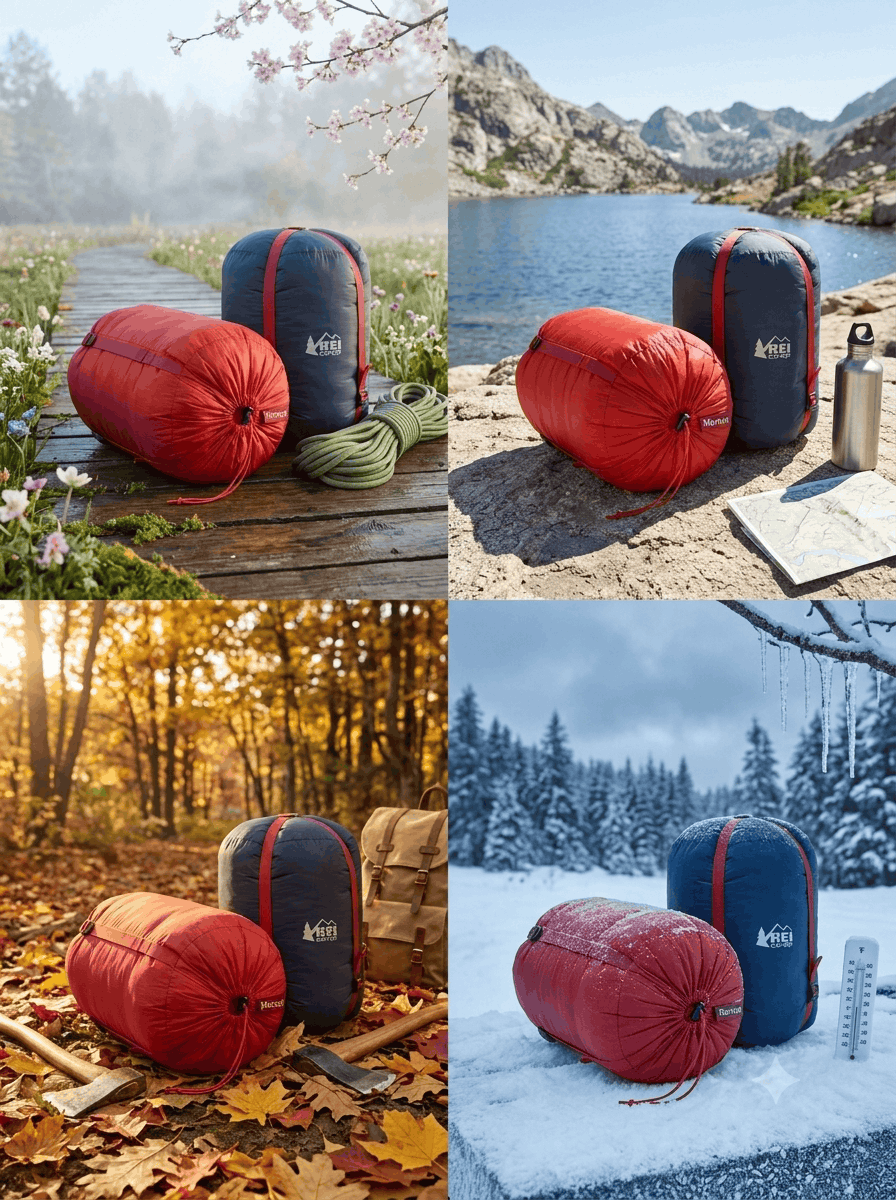
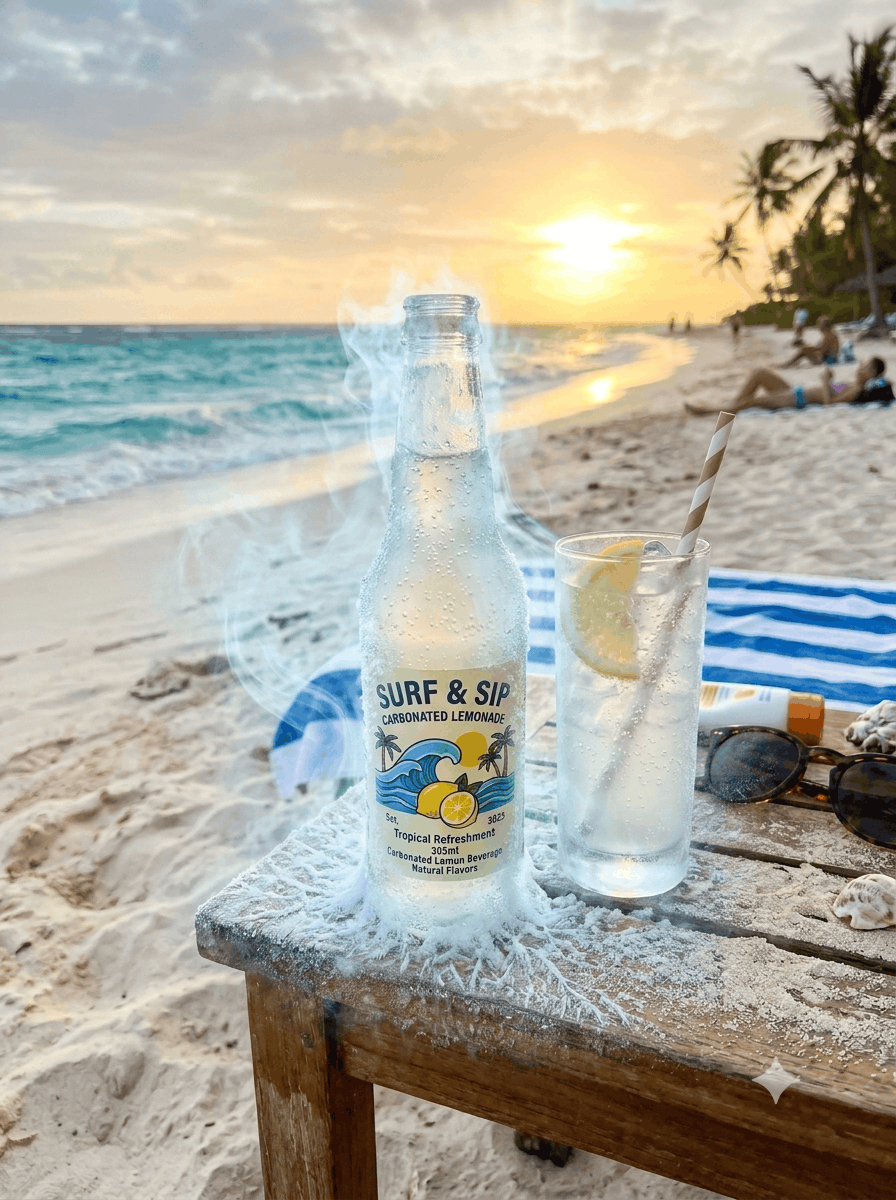
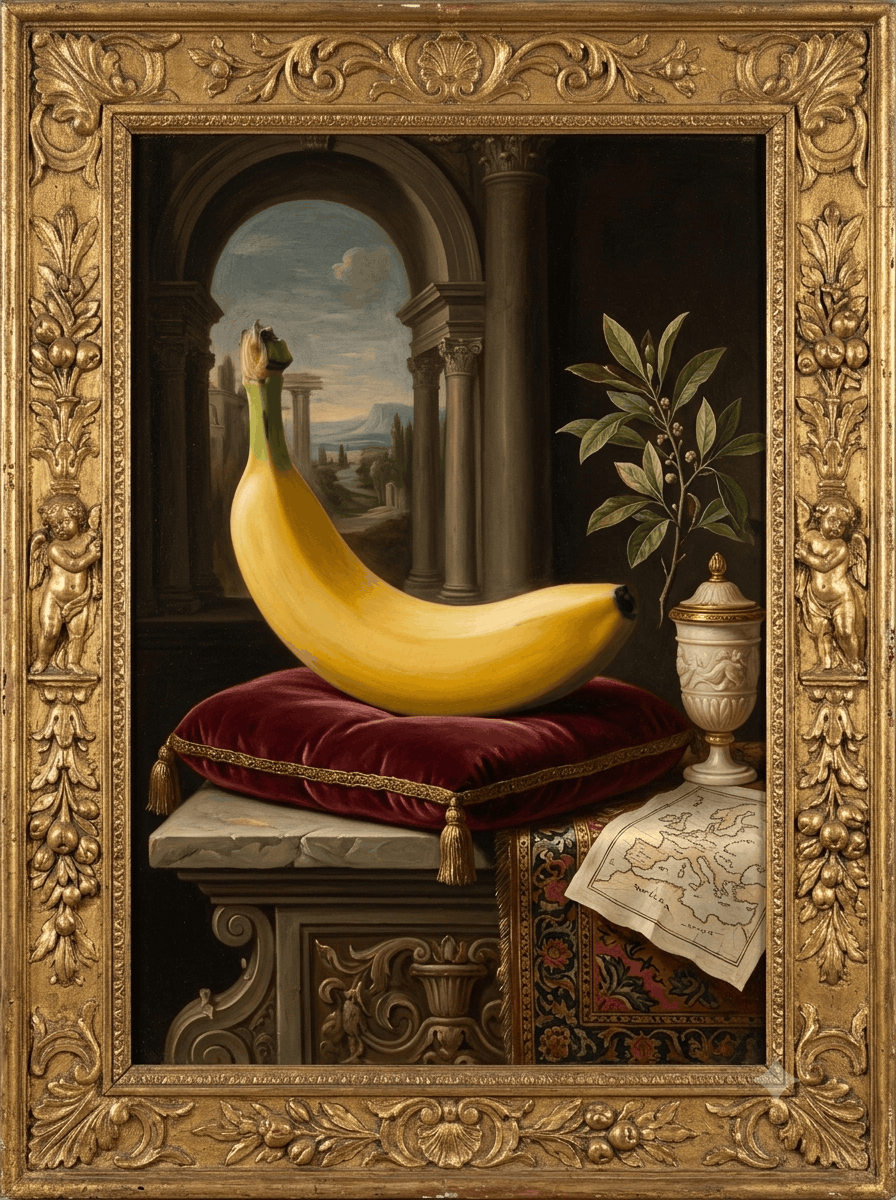
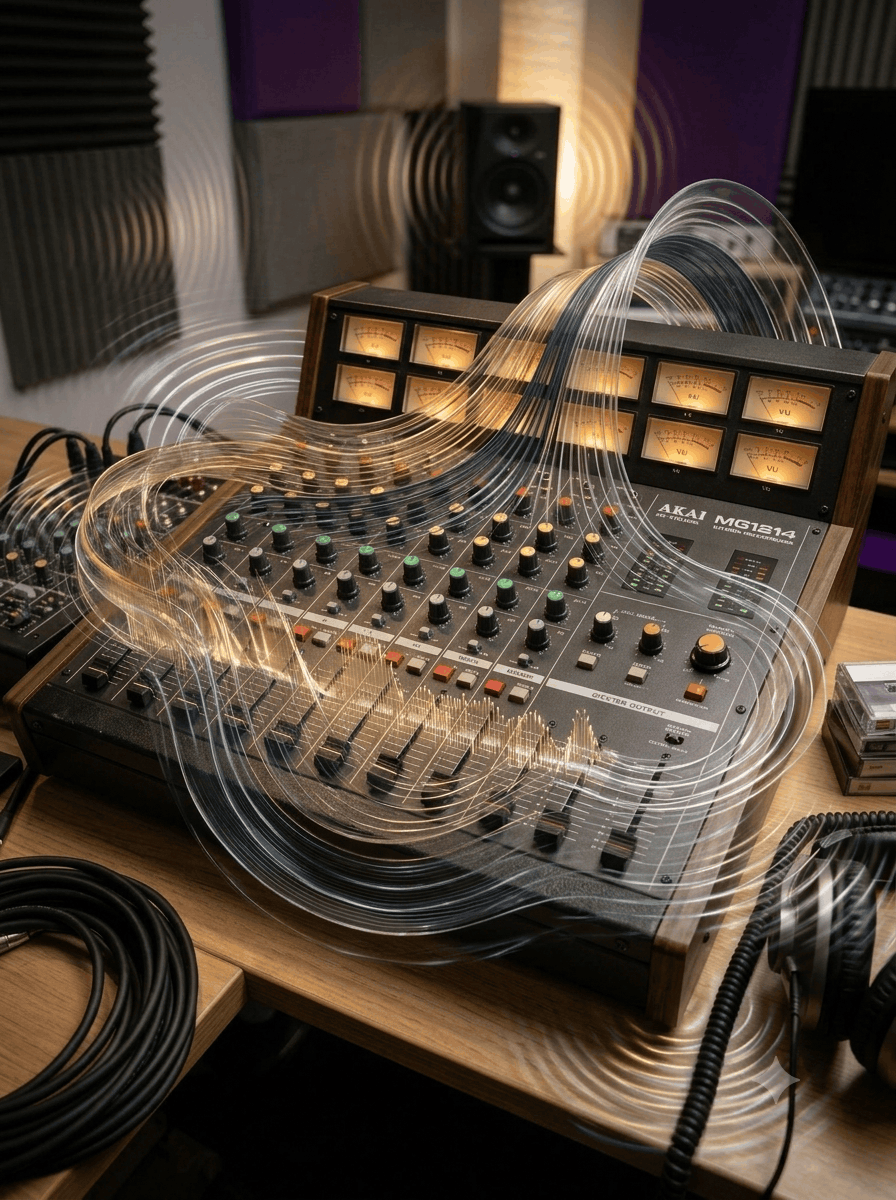
Liquid Splash Portrait — Universal Product Advertising Master Prompt
Turns any reference image into a premium high-speed liquid-splash ad photo, preserving the subject's exact identity, branding, and geometry while inventing physically believable splashes, lighting, and environment.
Prompt
# LIQUID SPLASH PORTRAIT — UNIVERSAL MASTER PROMPT Transform the provided reference image into a striking, photorealistic liquid-splash advertisement. The result must look like premium commercial photography captured with a real high-speed camera, not generic AI artwork or obvious CGI. ## 1. ANALYZE THE REFERENCE Identify the main subject, product category, silhouette, materials, original colors, branding, and distinctive details. Use these observations to determine the creative direction automatically. Preserve the subject's identity, proportions, geometry, packaging, logo, label, and existing typography as faithfully as possible. Never redesign, replace, or unnecessarily modify it. ## 2. INVENT A PRODUCT-SPECIFIC CONCEPT Create one memorable visual concept in which the subject emerges from, interacts with, or is dramatically framed by liquid. Choose liquid behavior according to the subject's personality: - Refreshing products: energetic splashes, suspended droplets, flowing waves. - Perfume and luxury goods: elegant ribbons, delicate mist, graceful liquid arcs. - Skincare and wellness: smooth cascades, gentle sheets of water, subtle droplets. - Sports and energy products: forceful directional bursts, explosive motion, dynamic impact. - Natural products: organic flows, botanical hints, ingredient-inspired colors. - Technology or other subjects: controlled geometric flows and precise, sophisticated liquid formations. Adapt these examples intelligently. Do not force a category into an unsuitable concept. Determine the most effective liquid type, movement, color, environment, and lighting from the actual reference. Use only relevant secondary elements. ## 3. MAKE THE LIQUID PHYSICALLY BELIEVABLE Treat the splash as a real fluid captured at a precise instant. Build it around the subject's silhouette with a deliberate combination of foreground and background layers. Use convincing gravity, momentum, surface tension, liquid thickness, refraction, reflections, and contact points. Vary droplet sizes, stream shapes, and splash edges naturally. Let liquid wrap around the subject, rise behind it, or cross selected foreground areas without hiding important details. Include realistic wet surfaces and subtle condensation only when appropriate. Avoid perfectly symmetrical splashes, identical floating droplets, impossible liquid bridges, weightless streams, and decorative shapes that have no believable physical origin. Every movement must feel intentional and physically coherent. ## 4. DESIGN THE ENVIRONMENT AND LIGHT Create an environment that belongs to the subject, not a default studio background. Select a complementary setting, surface, background texture, atmosphere, and restrained color palette. Match liquid colors to the actual product or ingredients when appropriate; keep clear water transparent. Use purposeful commercial lighting: a directional key light, controlled highlights, realistic shadows, and backlighting through transparent liquid when useful. Maintain consistent light direction across the subject, droplets, and environment. Preserve texture and detail in bright reflections. Compose the image with a strong focal point, natural depth, clean visual hierarchy, and deliberate negative space. Use realistic optical depth and crisp high-speed action photography. Make the result dramatic through timing, shape, contrast, and composition—not excessive effects. ## 5. ANTI-AI ART DIRECTION Prioritize photographic credibility over visual complexity. Keep materials tactile, edges natural, reflections consistent, and small imperfections believable. Avoid the polished-plastic appearance common in synthetic product renders. No excessive glow, bloom, fake lens flares, random particles, oversaturated gradients, artificial fog, clutter, generic stock-photo styling, unnecessary props, distorted geometry, duplicated objects, altered branding, invented text, or physically impossible reflections. Do not add fruit, flowers, ingredients, or decorative elements unless they genuinely strengthen the concept. Do not maximize the number of droplets or effects. Use only what the composition needs. ## FINAL OBJECTIVE Produce one visually powerful, premium advertising photograph built around the original subject. The subject must remain immediately recognizable; the liquid must feel real; the environment and lighting must feel connected; and every detail must support one clear creative idea. **Priority order:** Reference fidelity → physical realism → coherent lighting → compelling composition → visual impact. When spectacle conflicts with realism, choose realism.
How to use
1) Open Nano Banana (Google's fast multimodal image model) in the Gemini app or AI Studio and start a new image chat. 2) Upload the reference photo of your subject (product, person, or object) as an image input — this is required, since the prompt is built around preserving it. 3) Paste the full master prompt text into the message box and send it together with the reference image in the same turn. 4) If Nano Banana offers aspect-ratio or image-count options, pick the ratio that suits your placement (1:1 for social, 4:5 for print ads, 16:9 for banners) and generate 2-4 variations. 5) Review for fidelity first: logo, label, typography, proportions, and silhouette must be unchanged. If branding drifts, reply in the same thread with 'keep the reference branding and geometry exactly, change only the liquid and lighting' and regenerate. 6) Refine iteratively with short follow-ups — e.g. 'make the splash less symmetrical', 'reduce droplets', 'warmer key light', 'transparent water only'. 7) Ask for one clean background variant so your team can composite copy and headlines. 8) Download the highest-resolution output and retouch only lightly (dust, glare, crop) to keep photographic credibility.
- Model
- Nano Banana
- Category
- Ads & Product
More inspiration
Related prompts sharing this model, category, styles or tags.