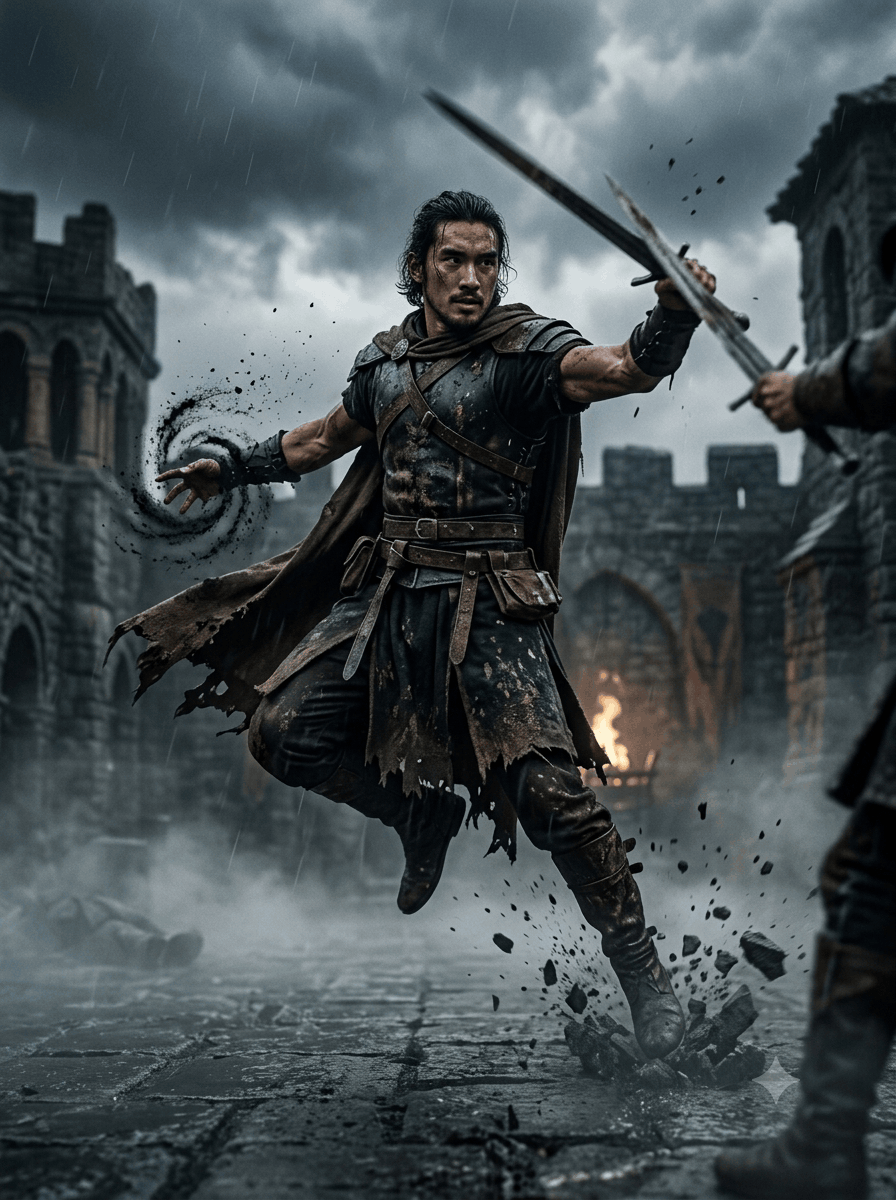
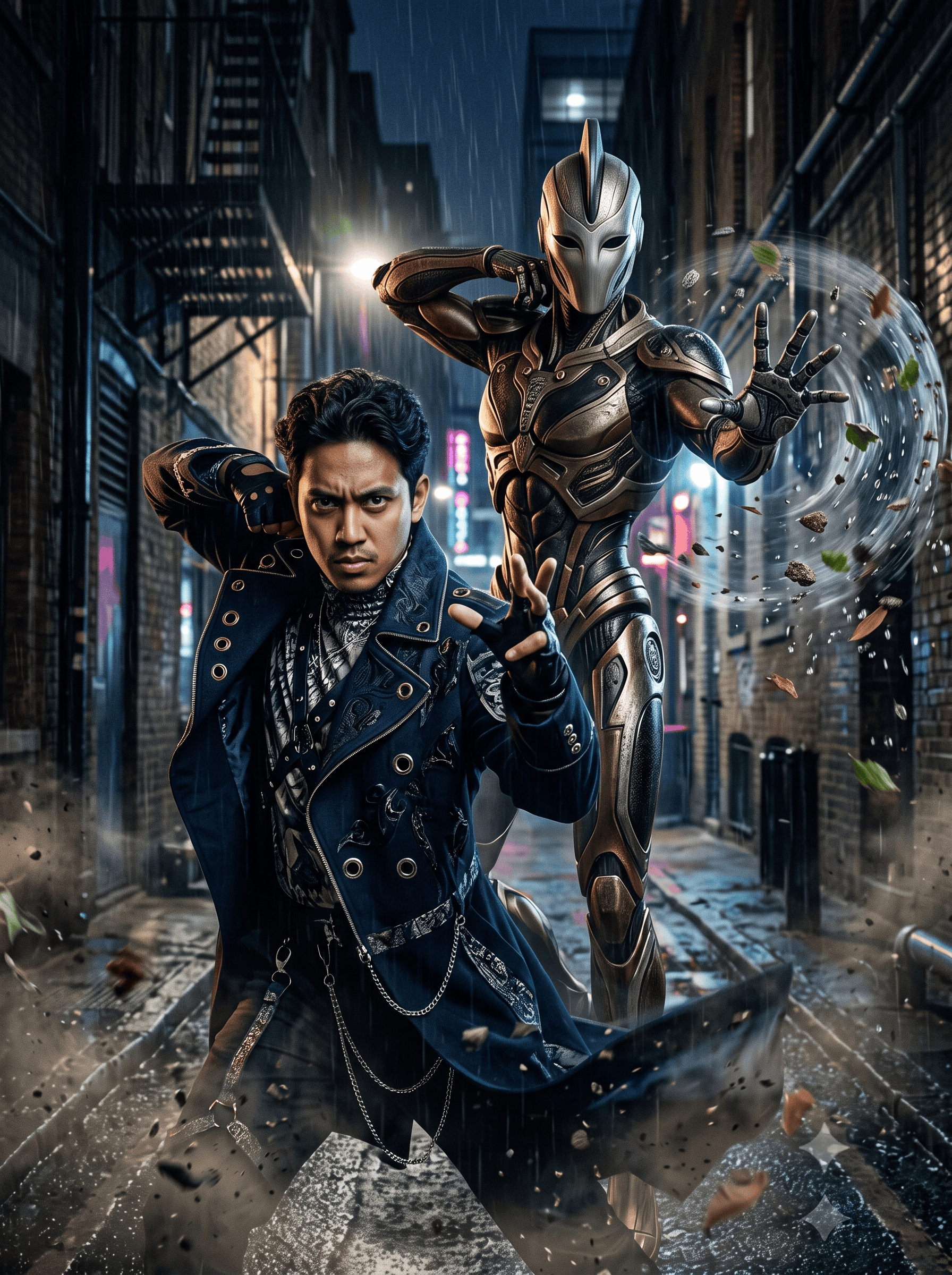
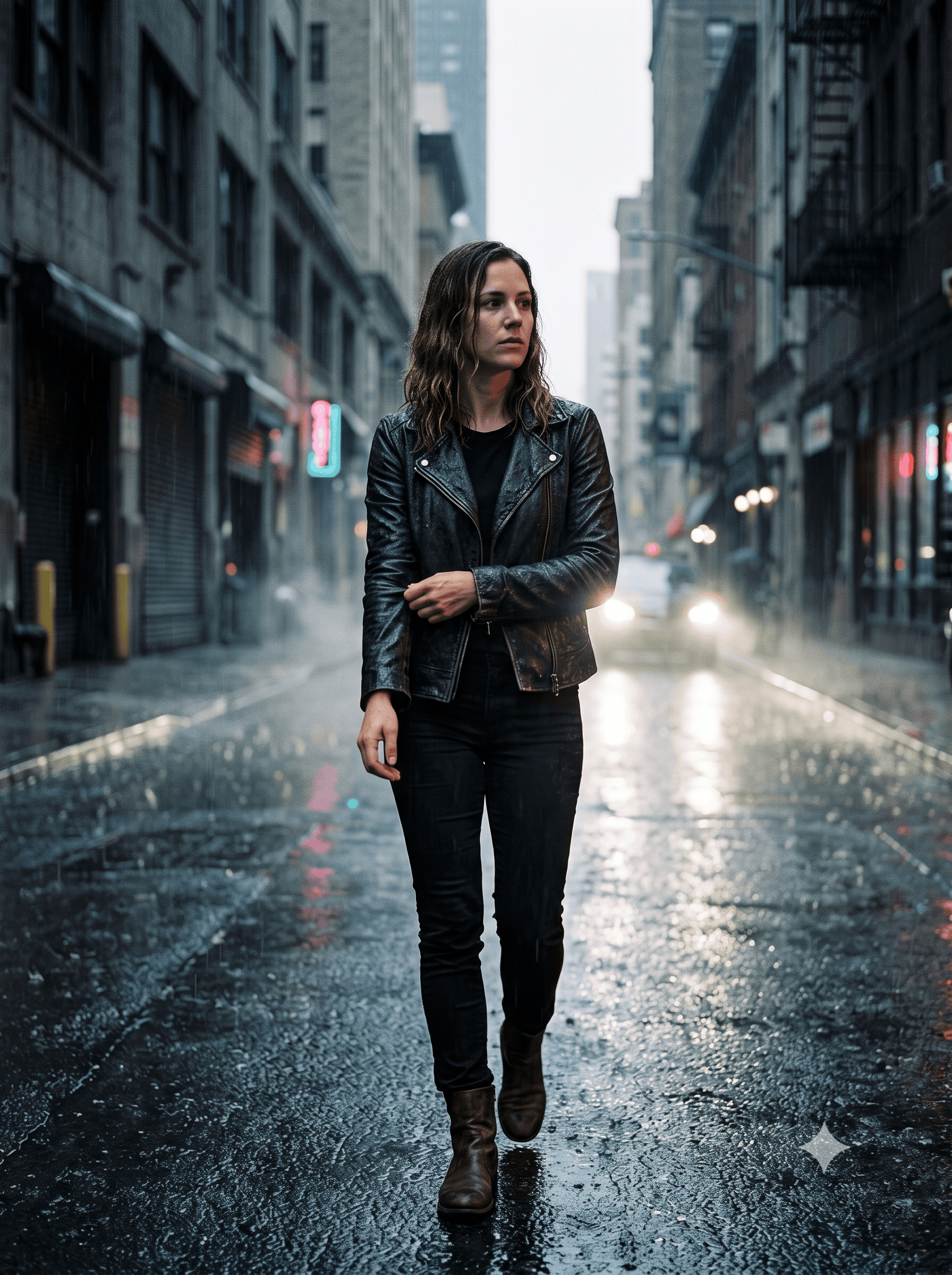
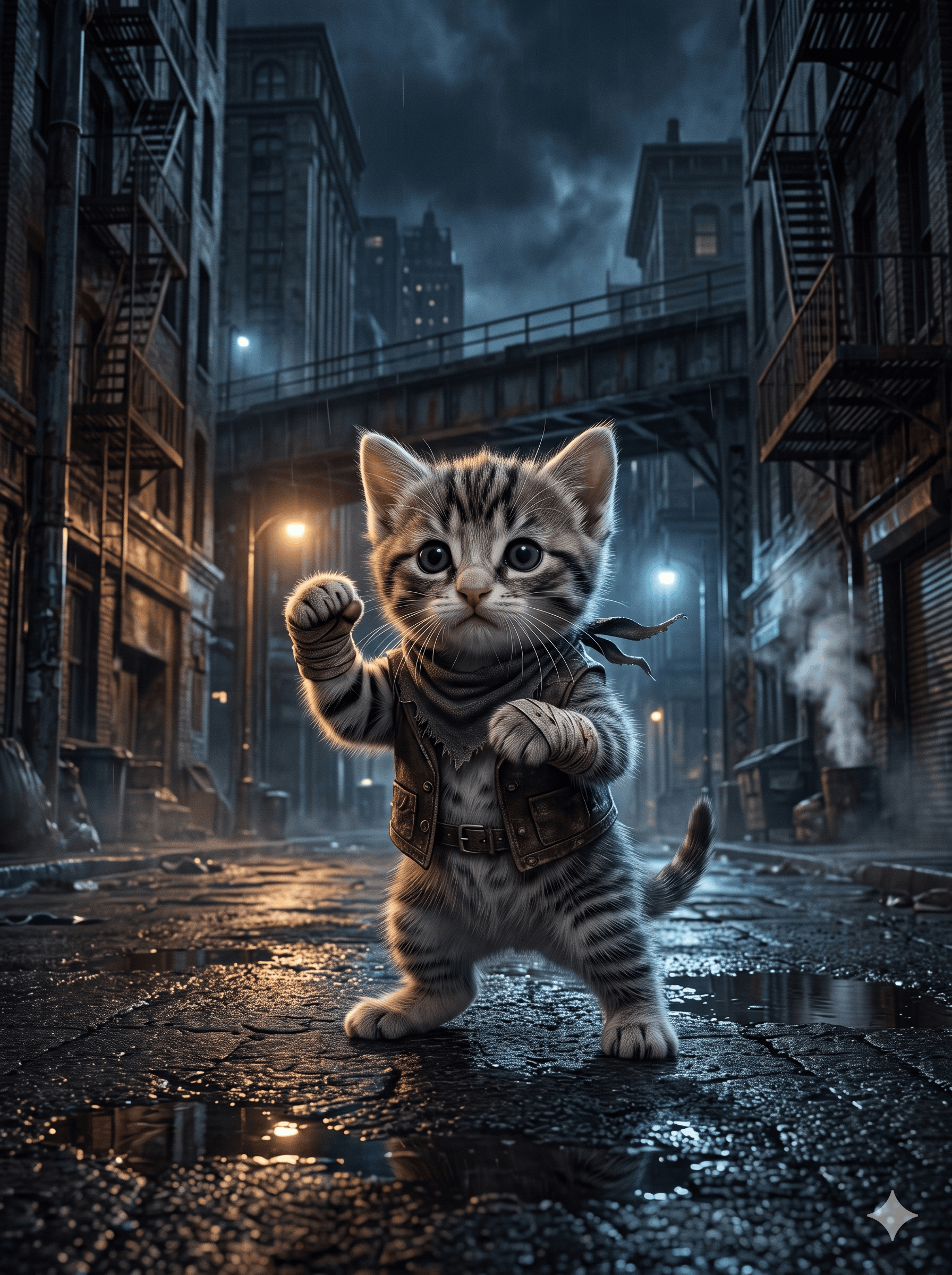
Epic Fantasy Sword Warrior Transformation
Transform any subject into a legendary sword warrior mid-strike with cinematic photorealism, preserving identity while creating dynamic fantasy action.
Prompt
OBJECTIVE Transform the main subject in the reference image into an unforgettable fantasy sword warrior in an original medieval fantasy world. The subject may be a human, dog, cat, kitten, rabbit, bird, horse, or any other living creature. Adapt the design to its species and anatomy. IDENTITY PRESERVATION Preserve the subject's recognizable identity, facial features, skin tone, fur or feather colors, distinctive markings, eye color, and natural personality. Change its outfit, armor, equipment, pose, and environment without losing its original appearance. Keep its face clearly recognizable. THE ACTION — A LEGENDARY SWORD STRIKE Depict one decisive, dramatic moment: the warrior is executing a powerful forward sword strike against an unseen enemy just outside the frame. The subject is caught mid-action, with its body naturally rotating into the strike, its weight shifting forward, and its legs or paws positioned to maintain believable balance. Its sword arm extends through a powerful diagonal movement, holding a clearly visible, realistic medieval sword. The expression conveys fierce determination, courage, and concentration. The cloak and fabric sweep backward in response to the movement. Dust, leaves, and small debris burst outward around the subject's feet. A few sparks illuminate the sword's edge as it cuts through the air. Every environmental effect must support the same action, not distract from it. Create a strong silhouette, dramatic diagonal lines, and a palpable sense of force. The viewer should immediately understand what the character is doing, even at a glance. Adapt the action to the subject's anatomy. Humans may perform a realistic two-legged sword strike. Animals must retain anatomically believable limbs, proportions, and movement; use an appropriate fantasy grip or specialized equipment when needed. Never add extra limbs or human hands to animals. ARMOR AND EQUIPMENT Design original, practical fantasy armor fitted to the subject. Use weathered steel, dark iron, worn leather, functional straps, protective plates, and a battle-worn cloak. Include realistic scratches, dents, mud, and subtle battle damage. The sword must have a distinct blade, guard, and handle, with a convincing grip and physically believable proportions. Avoid excessive ornamentation and magical effects. Do not copy recognizable characters, costumes, symbols, or designs from existing franchises. ENVIRONMENT AND STORY Place the warrior in an original medieval battlefield near a ruined fortress, with broken shields, weathered stone, distant towers, and atmospheric smoke. Use the environment to suggest a larger battle without showing unnecessary enemies or clutter. Choose a single consistent lighting direction. Dramatic sunlight breaks through storm clouds, illuminating the warrior's face and sword while casting realistic shadows across the ground. Dust and debris catch the light naturally. CINEMATIC PHOTOREALISM Make the image look like a real frame from a high-budget live-action fantasy film, photographed with a professional cinema camera. Use a low three-quarter camera angle, natural perspective, realistic depth of field, restrained cinematic color grading, and subtle organic film grain. Render authentic skin pores, individual fur or feather details, scratched metal, worn leather, and realistic fabric movement. Keep the face, body, gripping limb, and entire sword sharply recognizable. Convey movement through posture, flowing fabric, and airborne debris rather than excessive motion blur. COMPOSITION Use a dynamic full-body composition in widescreen 16:9. Place the subject prominently in the frame, with the sword cutting diagonally through the composition. Preserve sufficient space around the weapon and limbs so nothing important is cropped. Create depth between foreground, subject, and background. FINAL RESULT Generate one cohesive, photorealistic image capturing the single most powerful instant of an original fantasy sword battle. The result must be energetic, emotionally compelling, anatomically believable, and visually clear, with the original subject unmistakably recognizable. Priorities: identity preservation, one decisive action, believable sword handling, dynamic body movement, realistic anatomy, and live-action cinematic realism. NEGATIVE PROMPT Static pose, standing motionless, passive portrait, weak action, multiple conflicting actions, stiff posture, poor balance, hidden sword, cropped sword, floating weapon, incorrect grip, broken blade, extra limbs, extra fingers, human hands on animals, distorted anatomy, identity drift, species change, plastic skin, fake fur, CGI, 3D render, cartoon, anime, digital painting, excessive motion blur, obscured face, excessive glow, oversaturated colors, excessive particles, cluttered background, copied franchise characters, logos, text, watermark.
How to use
1. Open Google AI Studio or any interface supporting Nano Banana (Google's fast multimodal image model). 2. Upload your reference image containing the subject you want to transform. 3. Copy the full prompt text and paste it into the prompt input field. 4. Ensure the reference image is attached/linked before generating. 5. Set aspect ratio to 16:9 widescreen for optimal composition. 6. Generate the image — Nano Banana will analyze your reference and transform the subject into a fantasy sword warrior while preserving identity. 7. If identity drifts, try again with the same reference; Nano Banana works best with clear, well-lit reference images showing the subject's face prominently. For animals, ensure the full body is visible in the reference for accurate anatomy adaptation.
- Model
- Nano Banana
- Category
- Characters
- Styles
- CinematicPhotorealistic
More inspiration
Related prompts sharing this model, category, styles or tags.