Archaeological Discovery 3000: Modern Object as Ancient Relic
Transform any modern object into a mysteriously preserved artifact unearthed by future archaeologists in the year 3000, treated with scientific reverence as a treasure from a lost civilization.
Prompt
{
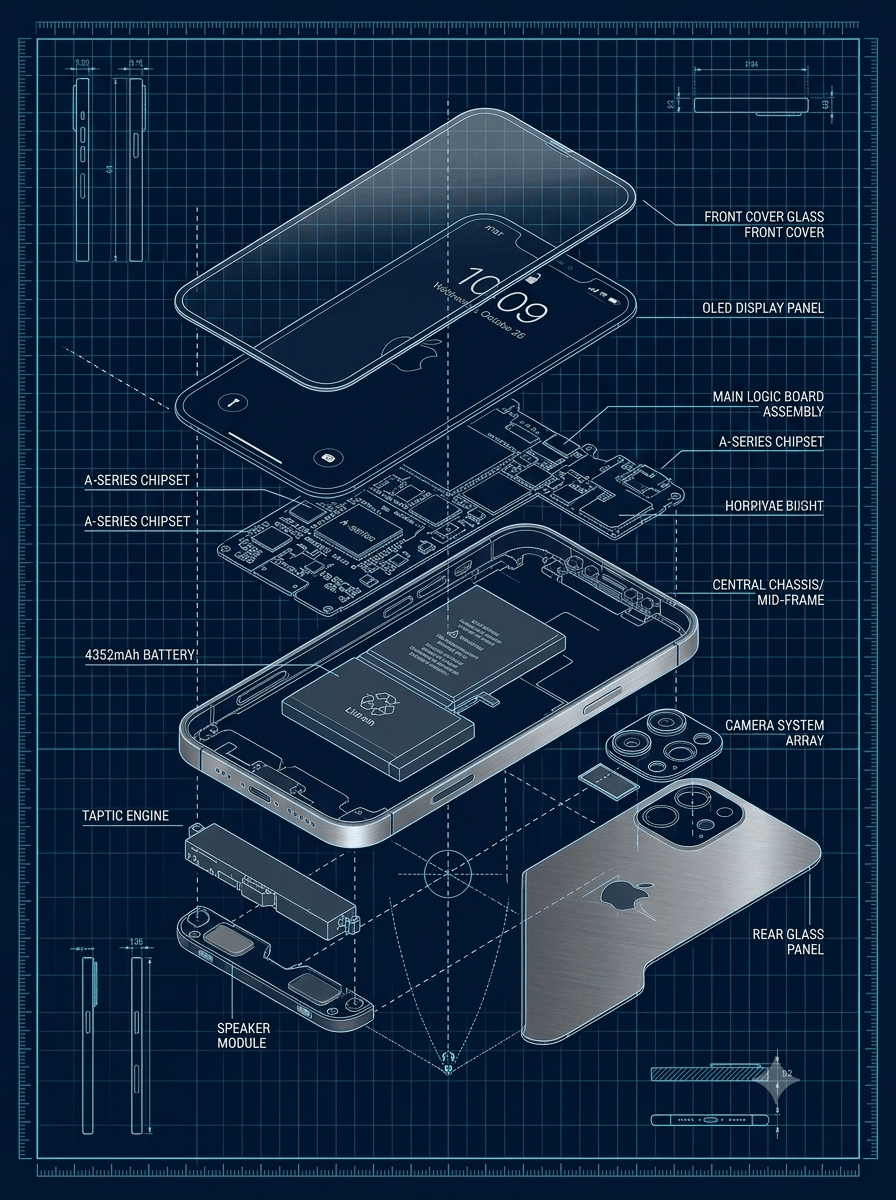
  "reference": "Use the supplied image as the definitive reference for the modern object. Preserve its exact identity, silhouette, proportions, recognizable construction, distinctive details, colors, materials, and original markings. Make this specific object the unmistakable centerpiece of the archaeological discovery, not a generic replacement or a newly invented artifact.",
  "concept": "A cultural artifact time capsule discovered during an archaeological excavation in the year 3000. Reimagine the supplied modern object as a mysterious relic from a lost civilization, treated with extraordinary historical significance by future archaeologists. The visual hook is the contrast between a recognizable object from our era and a distant future that interprets it as an ancient, possibly sacred treasure.",
  "execution": "Place the object partially embedded in compacted layers of ancient soil, with only part of its form exposed by careful excavation. Adapt the burial and preservation to its actual shape and material: dust accumulated in recesses, mineral deposits along exposed edges, subtle surface wear, and realistic soil contact. Preserve enough original features for immediate recognition. Nearby, futuristic archaeologists in practical research suits carefully brush away sediment, inspect details with handheld scanning instruments, and document the find with miniature survey markers. Their gestures convey scientific fascination and almost ceremonial reverence, as though they have uncovered an object whose original purpose is barely understood. Include a small, plausible excavation label or holographic research display showing a discovery date from the year 3000, without invented writing dominating the image.",
  "environment": "A believable archaeological dig within the buried remains of a future civilization's research site, with stratified earth, exposed sediment layers, excavation tools, fragmentary structural remnants, and a few carefully cataloged surrounding discoveries. Suggest that centuries of geological change have buried the site. Future technology should look functional and understated, contrasting with the ancient dirt and fragile relic. Any supporting artifacts must complement the main discovery rather than compete with it.",
  "composition": "Create a cinematic archaeological discovery shot with the object occupying the visual center and remaining clearly visible at a glance. Use a slightly elevated three-quarter viewpoint that reveals its recognizable form, partial burial, surrounding excavation layers, and scientists providing scale. Arrange the researchers around the object with natural working positions and clear visual separation. Use foreground soil for depth, the relic as the focal point, and subtle future research equipment in the background. The image should feel like a remarkable moment captured during a serious scientific expedition, with a subtle humorous undertone arising from the exaggerated importance assigned to an ordinary modern object.",
  "lighting_materials": "Use directional natural light filtered through an excavation canopy or an opening in the ruins, creating soft shadows, readable surface details, and realistic contact between the object and soil. Balance earthy ochres, muted browns, weathered stone, and restrained futuristic neutrals against the object's original colors. Render dirt granular and layered, metals naturally oxidized where appropriate, fabrics dusty and creased, and plastics or glass with material-specific aging. Use convincing atmospheric depth and controlled contrast without excessive glow, artificial lens flares, or exaggerated cinematic effects.",
  "constraints": "The supplied object must remain the same recognizable object, not become a different product, sculpture, fossil, or generic ancient relic. Apply weathering selectively and plausibly without erasing its defining design. Do not add unrelated example objects, duplicate the subject, invent prominent logos, or distort its geometry. Keep scientists, tools, and technology subordinate to the discovery. Avoid fantasy ruins, stereotypical alien civilization, excessive holograms, random glowing symbols, illegible text, impossible excavation geometry, and decorative clutter. The final image must communicate three things immediately: this is the exact modern object supplied, it has been excavated in the year 3000, and future scientists regard it as an extraordinary cultural artifact."
}How to use
1. Open Nano Banana (Google's fast multimodal image model) in your preferred interface (AI Studio, Vertex AI, or API client). 2. Upload a clear reference image of the modern object you want transformed. 3. Paste this entire prompt into the text field. Nano Banana will use your uploaded image as the definitive reference, preserving its exact identity, silhouette, and distinctive details while reimagining it as a partially excavated relic surrounded by future archaeologists in the year 3000. The model will render realistic burial context with compacted soil layers, material-appropriate weathering, futuristic research equipment, and scientists documenting the find. The object remains recognizable at the center while treated as an extraordinary cultural artifact. Note: For best results, use well-lit reference photos with clear details. Nano Banana's multimodal capability ensures your specific object becomes the centerpiece, not a generic replacement.
- Model
- Nano Banana
- Category
- Illustration
- Styles
- CinematicPhotorealistic
More inspiration
Related prompts sharing this model, category, styles or tags.