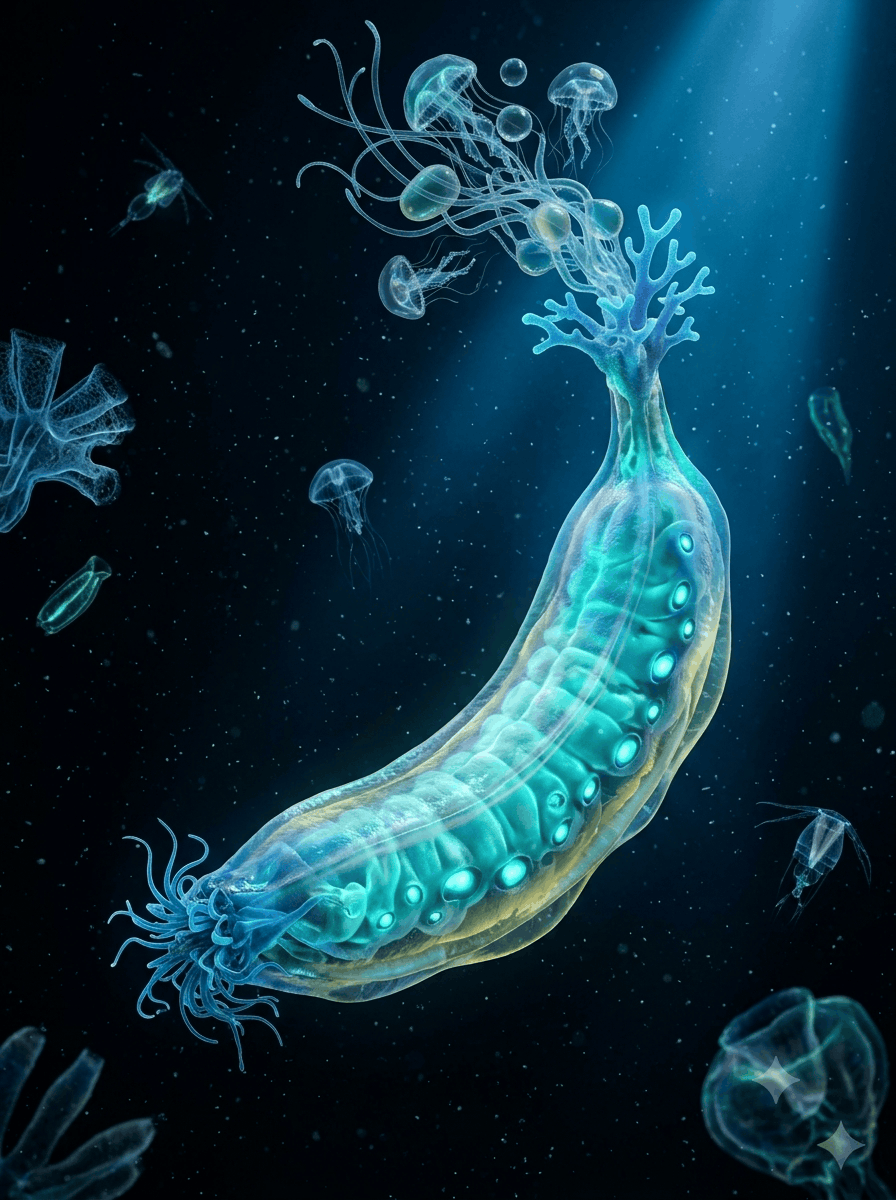
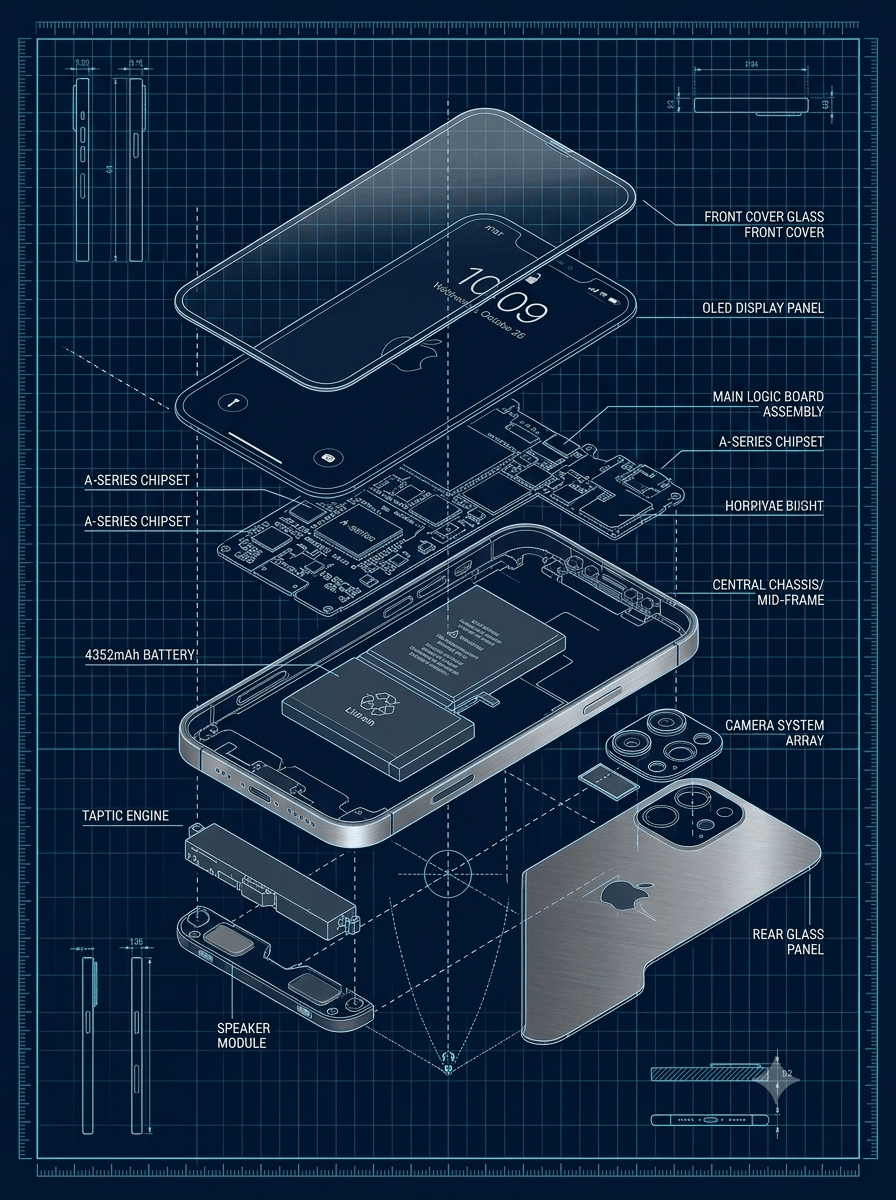
Inner Cosmos: Architectural Cutaway Miniature World
Transform any object into a breathtaking cross-section revealing a miniature civilization within. Internal components become immersive landscapes—circuits as city grids, gears as mountains, cables as bridges.
Prompt
{
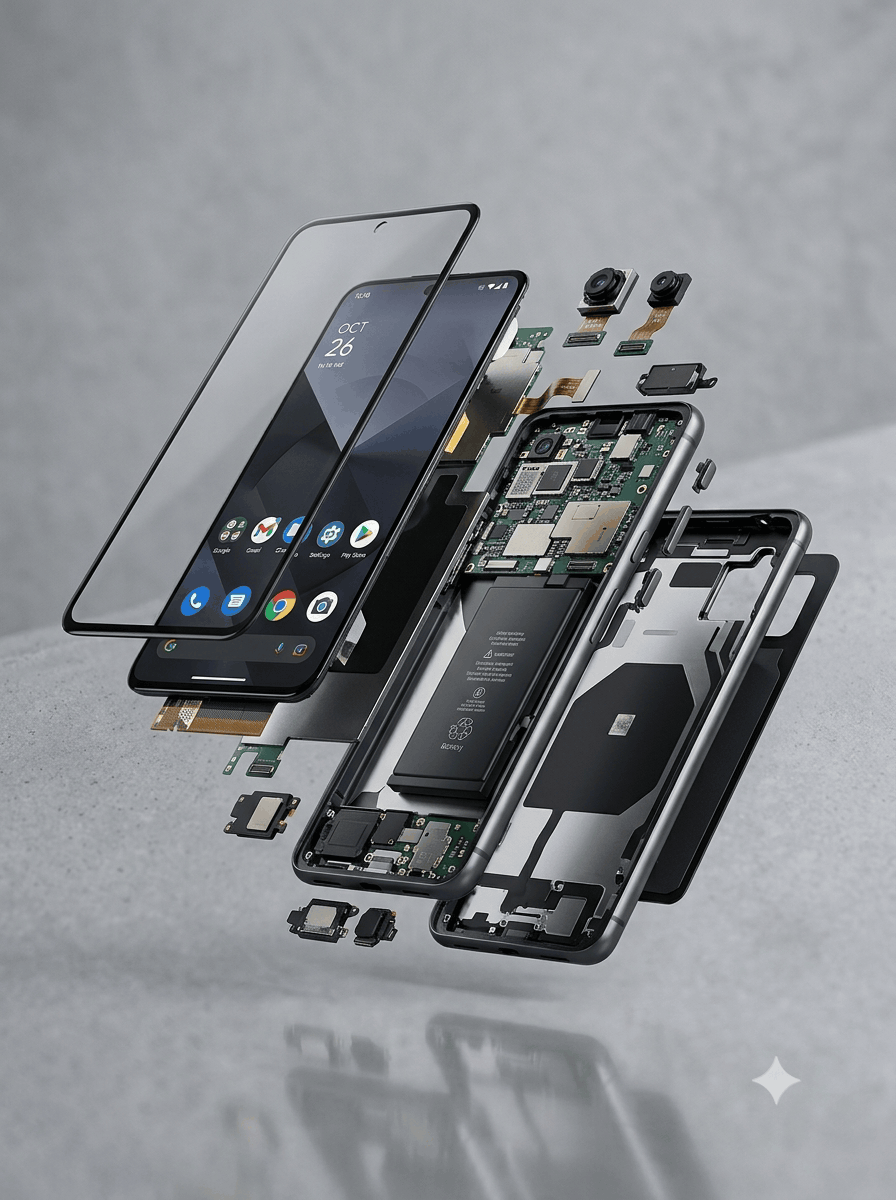
  "reference": "Use the supplied image as the exact identity and structural reference. Preserve its recognizable design, proportions, silhouette, materials, and distinctive features, but make its actual internal construction the primary visual subject.",
  "concept": "Inner Cosmos: transform the subject into a breathtaking architectural cutaway where its hidden internal components become an immersive miniature landscape. The object is not merely decorated with scenery or surrounded by floating parts; its physical interior is fundamentally reimagined as a vast, explorable world.",
  "execution": "Create a dramatic three-dimensional cross-section through the subject, exposing its genuine internal structure. Integrate the exterior shell with the revealed interior, removing or opening strategically selected sections to expose the inner world. Transform actual components into functional environmental features: circuit boards become illuminated city grids and interconnected streets, processors become monumental industrial districts, gears become enormous terraced mountains, springs become winding rivers, cables become bridges and suspended pathways, batteries become energy facilities, and mechanical chambers become mysterious underground valleys. Adapt every transformation to the actual components visible or reasonably implied by the reference. The miniature civilization must grow organically from the object's internal architecture, with components physically transitioning into terrain rather than simply being replaced by unrelated scenery.",
  "environment": "Build a coherent miniature civilization entirely within the object's interior boundaries. Include tiny buildings, roads, bridges, waterways, industrial structures, and subtle signs of life only where the internal geometry provides natural space. Preserve recognizable mechanical details throughout the landscape so viewers can identify the original components beneath their environmental transformations.",
  "composition": "Present the transformed object as a monumental cinematic cutaway diorama, viewed from a three-quarter perspective that clearly reveals both its recognizable exterior and its enormous internal world. Use layered depth, visible foreground components, intricate middle-ground landscapes, and distant miniature environments extending into the deepest cavities. The exposed interior should dominate the visual experience while the remaining exterior provides unmistakable context and scale.",
  "lighting_materials": "Use cinematic miniature-world lighting with carefully placed illumination emerging from actual components. Combine realistic metal, glass, copper, plastic, silicon, and other materials from the reference with detailed landscape textures. Introduce atmospheric depth, naturally occurring shadows, subtle reflections, and localized environmental lighting. Make the miniature world feel physically constructed inside the object rather than digitally pasted onto it.",
  "constraints": "The final image must show a genuine structural transformation, not the untouched original object with decorative scenery added around it. The interior must be visibly opened, exposed, enlarged, and transformed into the dominant miniature world. Do not invent generic gears or circuit boards when they are inconsistent with the subject. Maintain coherent internal geometry, connected landscapes, believable component relationships, consistent perspective, and recognizable remnants of the original object's design. No duplicated objects, disconnected floating components, random decorations, illegible labels, or generic backgrounds."
}How to use
To use this prompt with Nano Banana: 1) Open Google AI Studio or any interface supporting Nano Banana (Google's fast multimodal image model). 2) Upload your reference image showing the object you want transformed. 3) Copy the entire prompt text (all sections: reference, concept, execution, environment, composition, lighting_materials, constraints) into the prompt input field. 4) Ensure the model selection is set to Nano Banana. 5) Submit and wait for generation. The model will use your reference image as the structural basis and apply the Inner Cosmos transformation. Note: For best results, use objects with recognizable internal geometry like electronics, watches, cameras, or mechanical devices. Adjust the concept section if you want different environmental themes.
- Model
- Nano Banana
- Category
- Illustration
More inspiration
Related prompts sharing this model, category, styles or tags.