Elemental Mantle: Object Becomes Nature
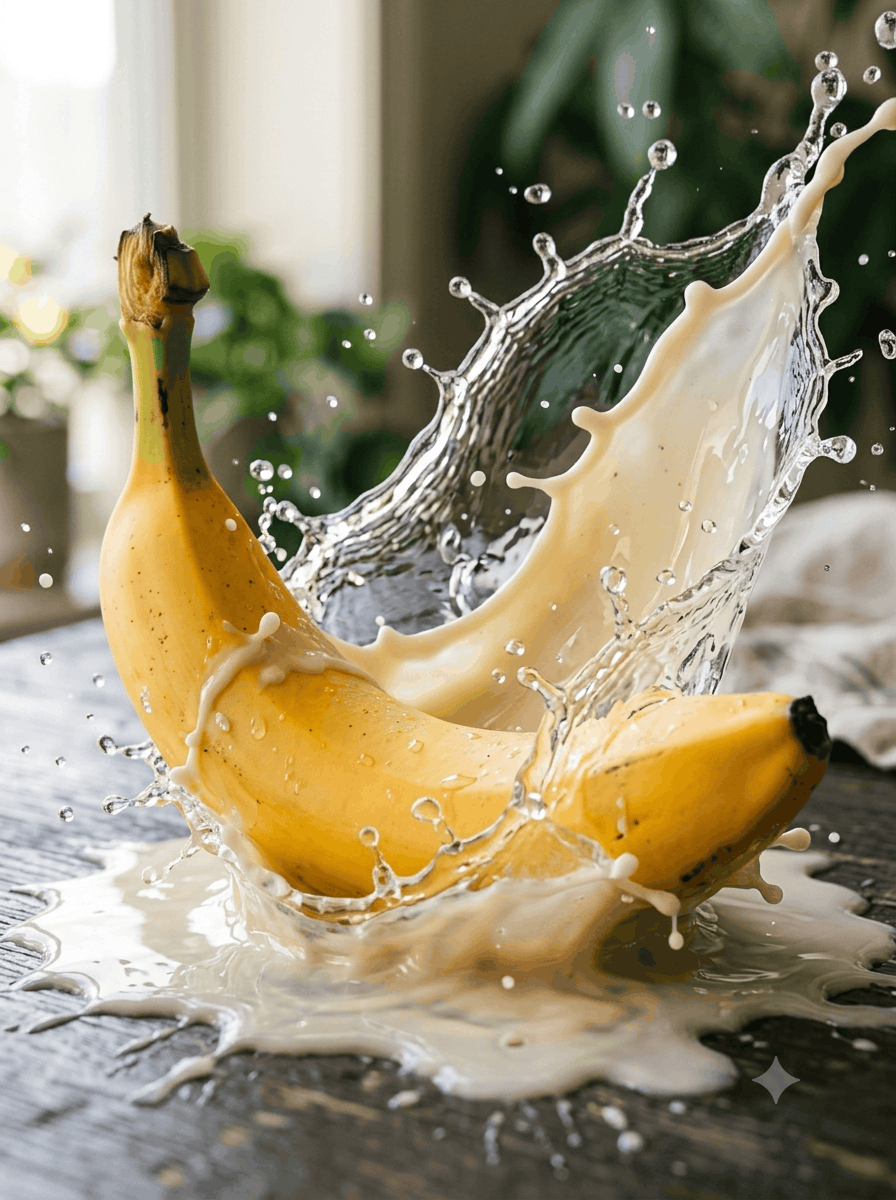
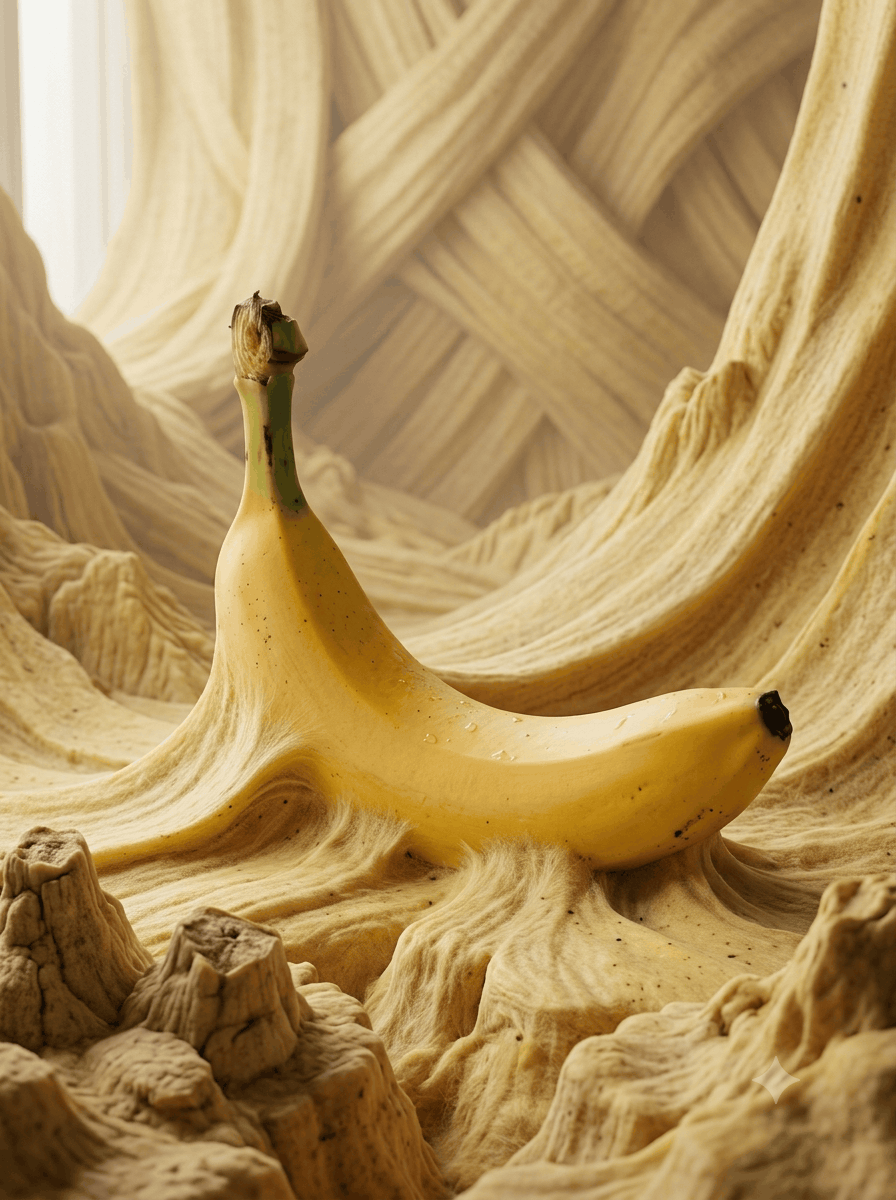
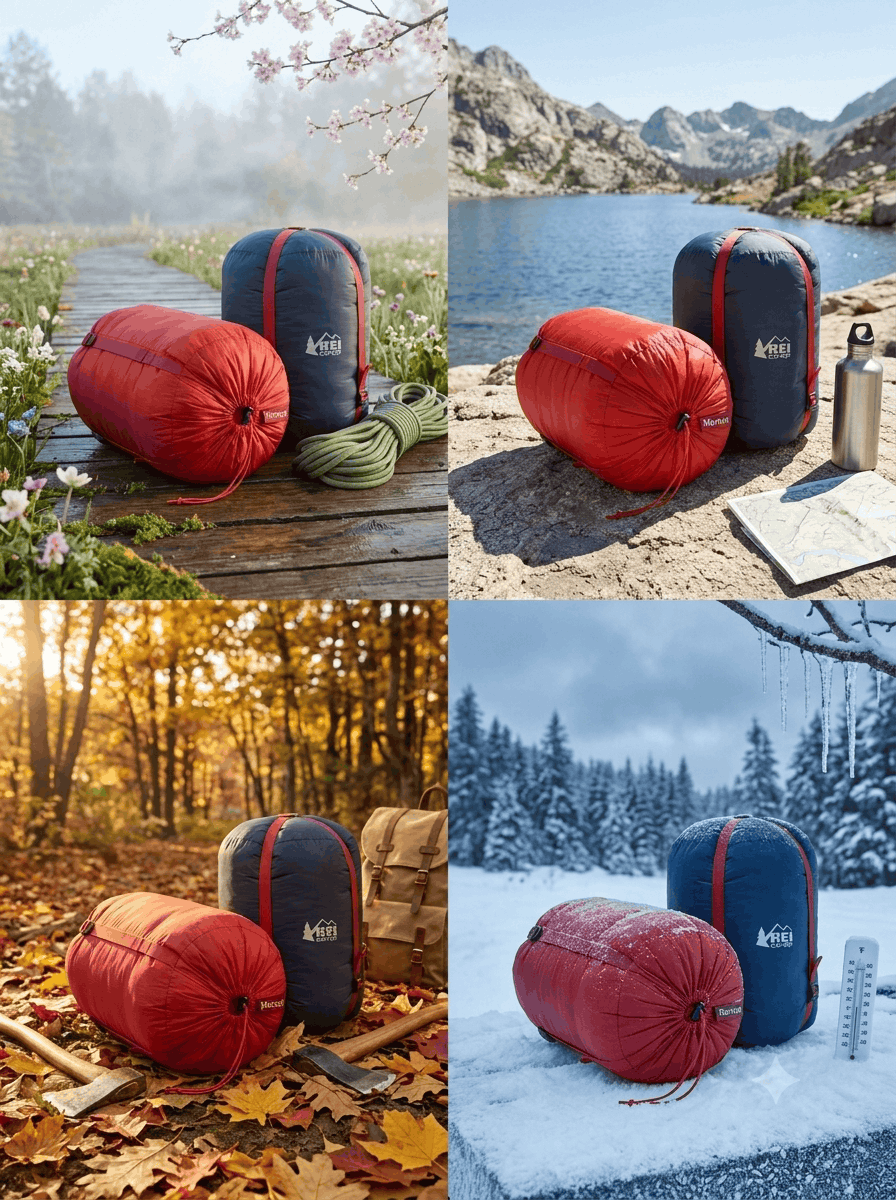
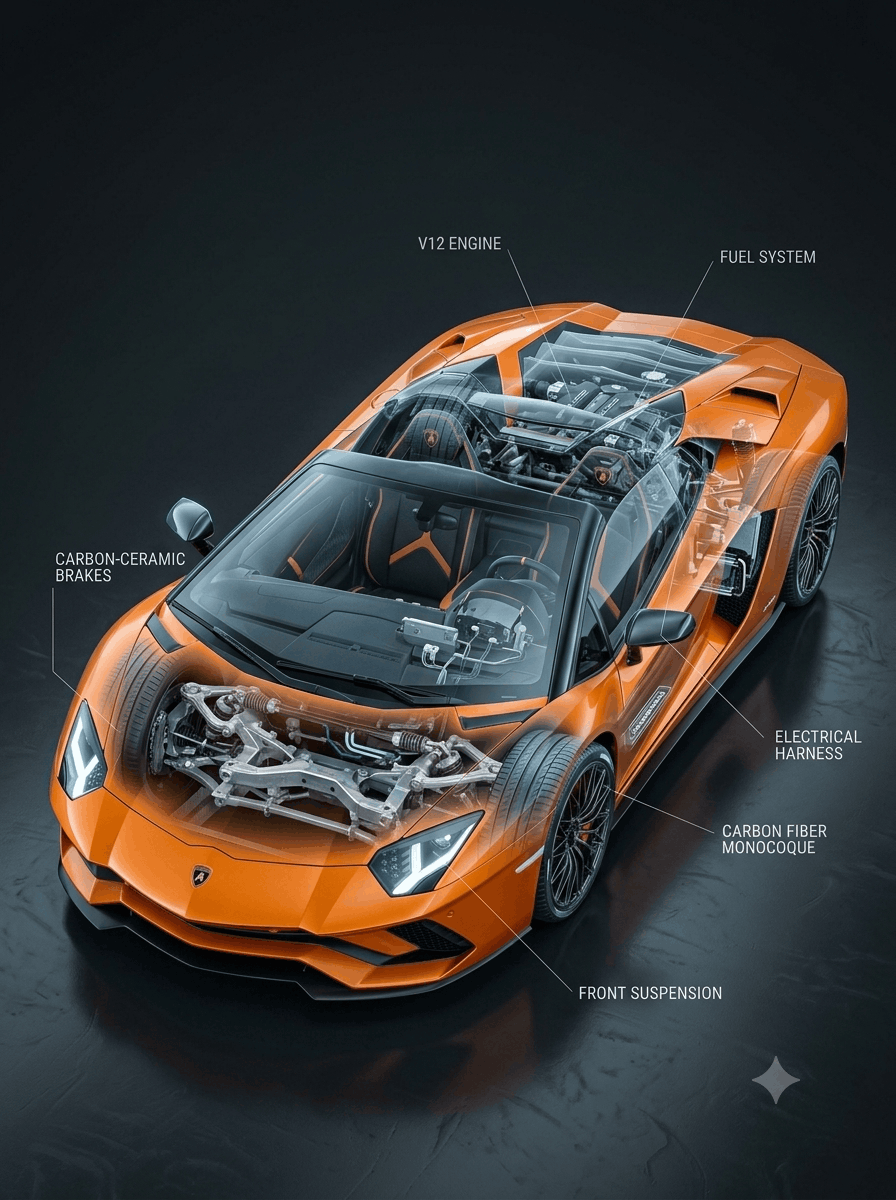
Transforms a reference object into fire, water, earth, air, or light while preserving its silhouette and identity in a premium editorial product portrait with cinematic lighting.
Prompt
{
  "reference": "Use the supplied subject as the exact visual reference. Preserve its recognizable silhouette, proportions, geometry, distinctive details, original design, and identifying colors. The subject must remain immediately recognizable despite its elemental transformation.",
  "concept": "Elemental Mantle: Object Becomes Nature. Depict the subject undergoing a spectacular transformation into a classical natural element, creating the visual illusion that the object itself is made of nature. Select the single most visually appropriate element based on the subject's material, color, texture, and identity: fire for warm or energetic objects, water for transparent or fluid-inspired subjects, earth for stone, ceramic, or organic materials, air for lightweight fabrics or delicate structures, and light for glass, crystals, or luminous technology. Ice or molten metal may serve as specialized interpretations when the material strongly suggests them.",
  "execution": "The transformation must preserve the original object's overall silhouette while progressively replacing its physical material with the chosen element. Reconstruct its contours using physically coherent elemental structures: flowing flames with detailed tongues of fire, sculpted translucent water with realistic currents and droplets, layered stone with mineral textures and fractured edges, flowing smoke and delicate atmospheric ribbons, or concentrated beams and faceted refractions of light. Allow parts of the element to naturally extend beyond the original silhouette, creating a sense of transformation in progress. Maintain enough original structural detail to make the object's identity unmistakable. The elemental material must feel like the subject's actual substance rather than a decorative effect applied on top.",
  "environment": "Create a naturally integrated environment that reinforces the selected element and complements the subject's purpose. Fire may illuminate a dark volcanic setting, water may interact with a reflective aquatic surface, earth may emerge from a rugged mineral landscape, air may flow through an expansive atmospheric environment, and light may illuminate a dark architectural space. Keep environmental details restrained and subordinate to the transformed subject.",
  "composition": "Present one dominant subject in a powerful, premium editorial product portrait. Use a three-quarter perspective when appropriate to reveal its form and transformation. Keep the entire silhouette clearly readable, with the most dramatic elemental transformation concentrated around its edges and selected structural regions. Establish strong visual separation between the subject and background, with natural depth and purposeful negative space.",
  "lighting_materials": "Use cinematic lighting motivated by the chosen element. Preserve realistic material behavior, nuanced surface textures, coherent shadows, natural reflections, and believable interactions between the element and environment. Fire produces warm directional illumination, water creates delicate caustics and reflections, earth uses textured directional light, air creates soft atmospheric depth, and light creates controlled illumination and refraction. Maintain a sophisticated, harmonious color palette derived from the original subject.",
  "constraints": "The original subject must remain identifiable at first glance. Preserve its fundamental geometry and proportions; do not replace it with an unrelated elemental creature or abstract shape. Use one dominant elemental transformation rather than mixing unrelated elements. Avoid excessive particles, random magical effects, generic glowing outlines, artificial plastic textures, distorted geometry, duplicated objects, inconsistent lighting, and cluttered backgrounds. The result should communicate a clear visual metaphor: the object is becoming nature while remaining unmistakably itself."
}How to use
1. Open the Nano Banana image model interface (Google's fast multimodal image model). 2. Paste this prompt into the text input field. 3. Upload a clear reference image of your subject so Nano Banana can preserve its exact silhouette, proportions, and colors. Optionally specify the target element (fire, water, earth, air, light, ice, or molten metal) in the prompt or via model settings. 4. Set aspect ratio and quality preferences if available, then generate. 5. Review the output to ensure the object remains recognizable while appearing made of the chosen element; iterate by refining the reference image or element description as needed.
- Model
- Nano Banana
- Category
- Ads & Product
More inspiration
Related prompts sharing this model, category, styles or tags.